
The Most Overlooked Exterior Detail: Why Small Architectural Accents Make a Big Impact
When people think about improving their home’s exterior, they usually jump straight to the big-ticket items—new paint, landscaping, or a bold front door color. And while those upgrades absolutely matter, there’s a quieter layer of design that often goes unnoticed.
It’s the details.
The trim lines, the edges, the finishing touches that don’t scream for attention—but subtly change how a home feels. These small architectural accents are what separate a house that looks “fine” from one that feels intentional.
Big Changes Don’t Always Come From Big Projects
Architects and designers know a secret most homeowners don’t:
visual impact doesn’t scale linearly with effort or cost.
Some of the most effective exterior upgrades are:
-
Small
-
Repetitive
-
Placed where the eye naturally travels
Think of exposed rafter tails, decorative brackets, corbels, or subtle trim details. Individually, they’re minor. Together, they create rhythm, character, and depth.
These elements work because they:
-
Add shadow and contrast
-
Break up large, flat surfaces
-
Reinforce the home’s architectural style
Yet they’re often skipped—either because they’re assumed to be expensive, permanent, or complicated to install.
Why Our Eyes Notice the Edges First
When someone approaches a home, their eyes don’t just lock onto the front door. They scan the perimeter—rooflines, corners, transitions.
Edges matter.
That’s why details along eaves, gutters, and trim lines are so powerful. They sit right at the boundary between structure and sky, light and shadow. Even small accents in these locations can dramatically change how finished a home feels.
It’s also why older homes often feel more “charming.” They were built in an era when decorative details were standard, not optional.
Modern Homes Deserve Thoughtful Details Too
Minimal and modern design doesn’t mean blank or boring. In fact, clean architecture often relies more heavily on precise accents to avoid feeling flat.
The key is restraint:
-
Simple shapes
-
Repeating forms
-
Consistent spacing
When done right, these details don’t overpower the home—they quietly elevate it.
The Rise of Lightweight, Reversible Design Accents
Today’s homeowners want flexibility. Styles change. Seasons change. Tastes evolve.
Permanent exterior modifications don’t always make sense anymore—especially if you’re experimenting with your home’s look or planning to sell in the future.
That’s where modern accent solutions come in:
-
Lightweight materials
-
Tool-free installation
-
No drilling or permanent alteration
-
Easy to swap or remove
Instead of committing to a renovation, you can add personality in a way that’s reversible and approachable.
Why Small Accents Often Get the Biggest Reactions
You’ve probably experienced this before:
You add one subtle detail—and suddenly people start asking about it.
That’s because thoughtful accents feel intentional. They suggest that someone cared enough to finish the design, not just complete the structure.
It’s the difference between:
-
“Nice house.”
-
“Whoa—where did you get that?”
A More Approachable Way to Add Character
If you’ve ever wanted to enhance your home’s exterior but hesitated because of cost, tools, or commitment, focusing on small architectural details is a smart place to start.
They’re:
-
Lower risk
-
Visually impactful
-
Easy to experiment with
And when chosen carefully, they blend seamlessly into the home—looking like they were always meant to be there.
Looking for an Easy Way to Add Character?
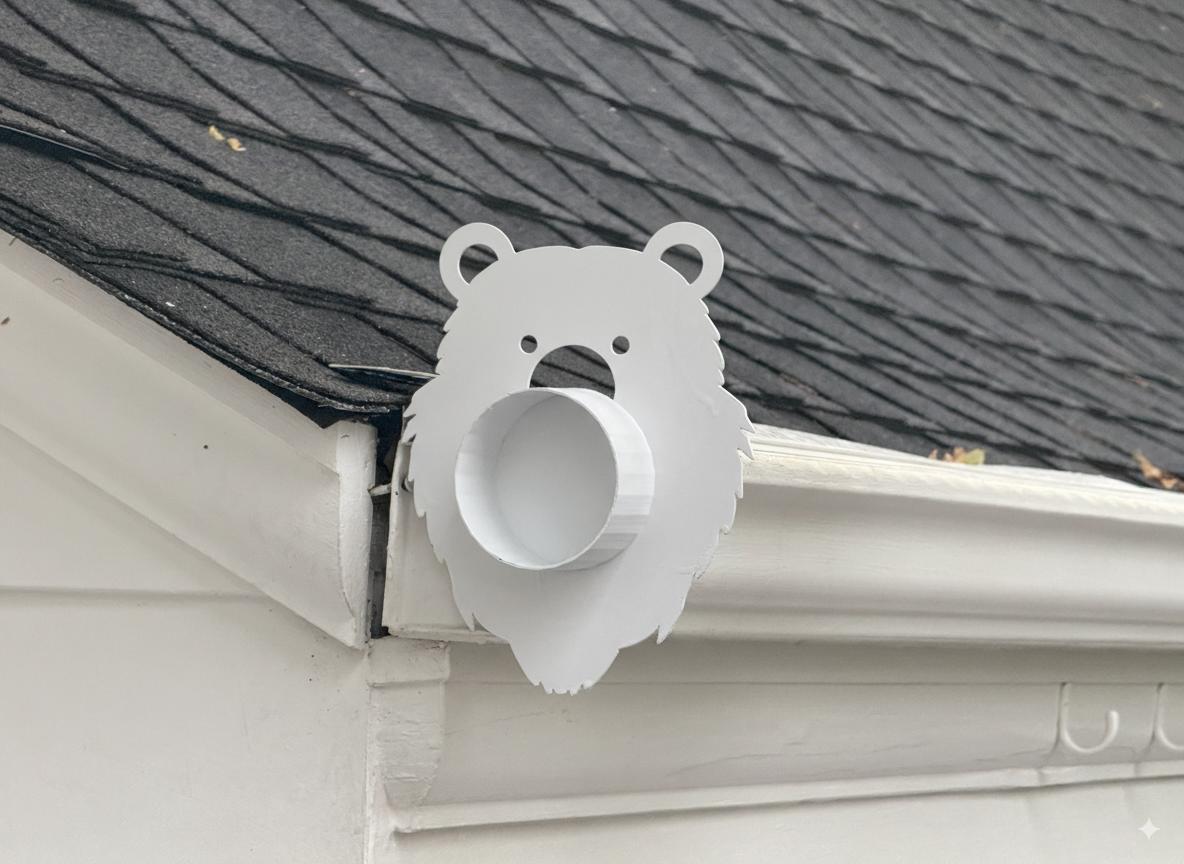
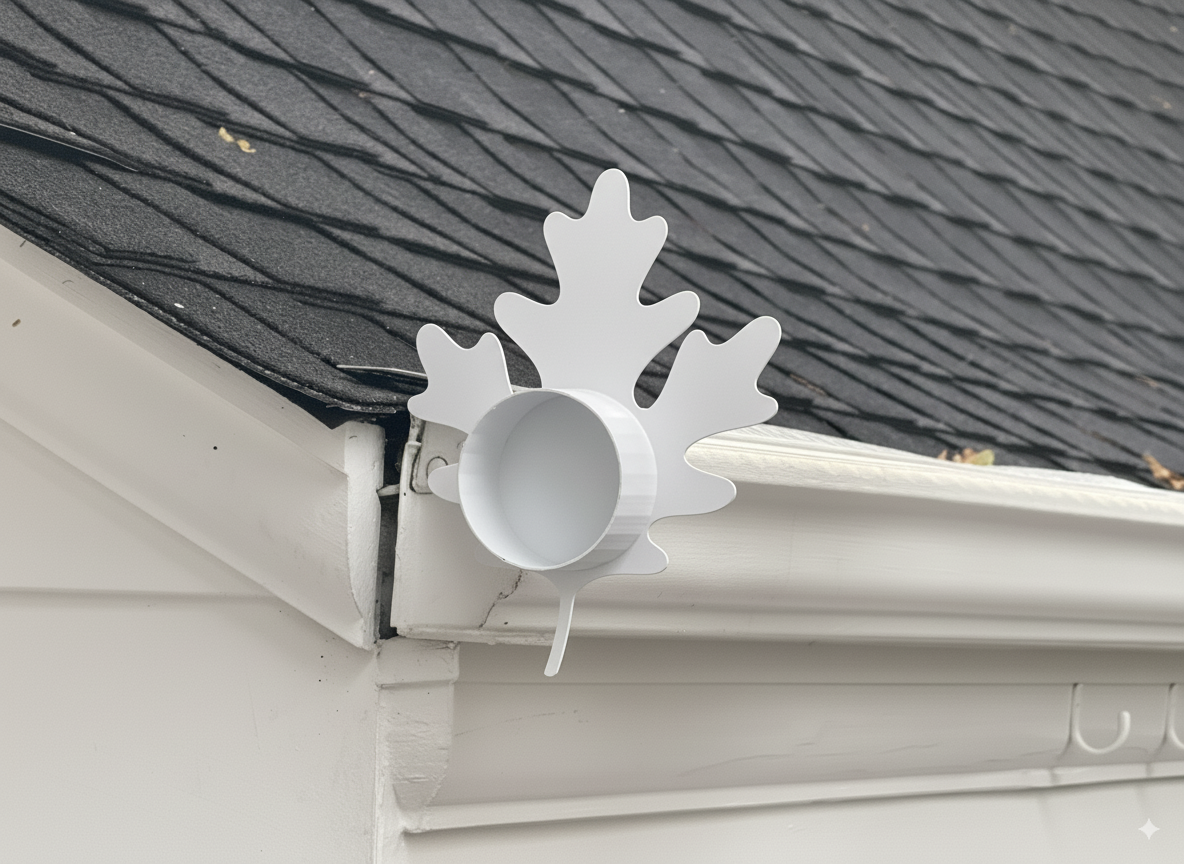
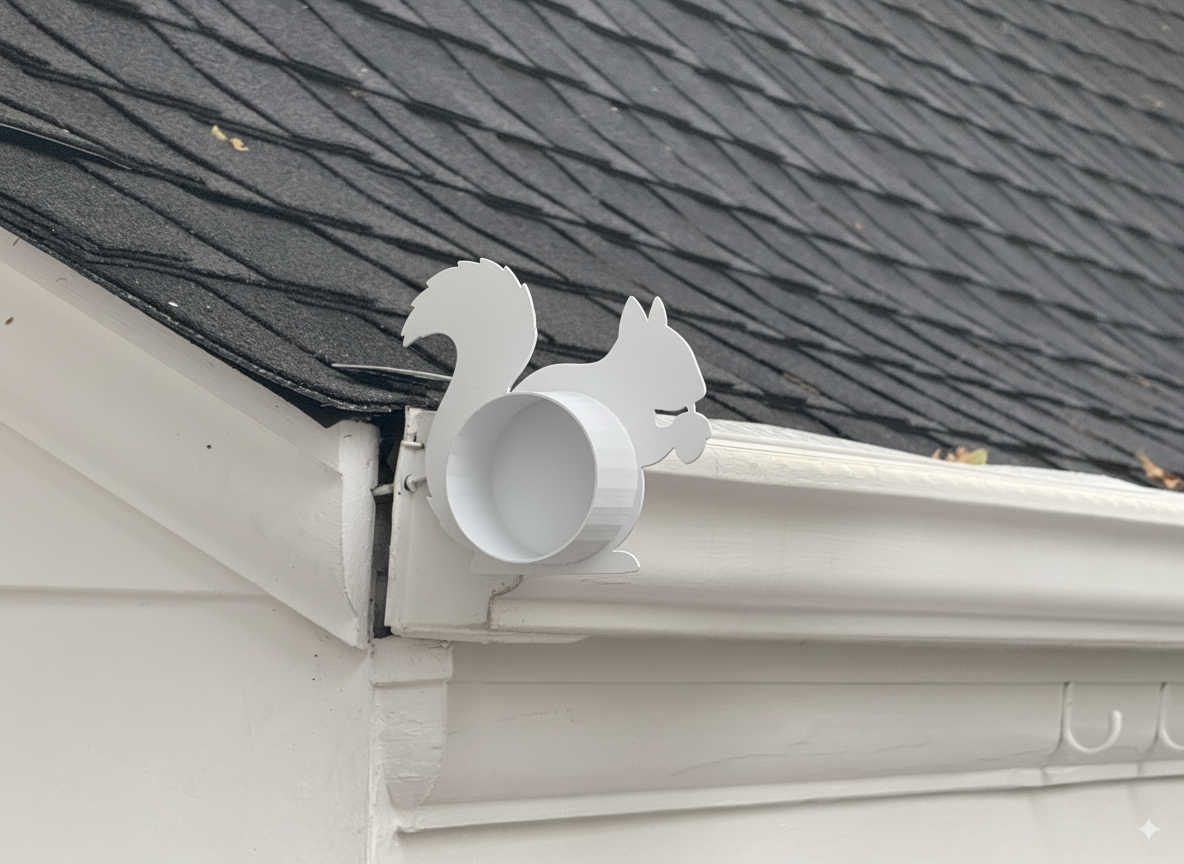
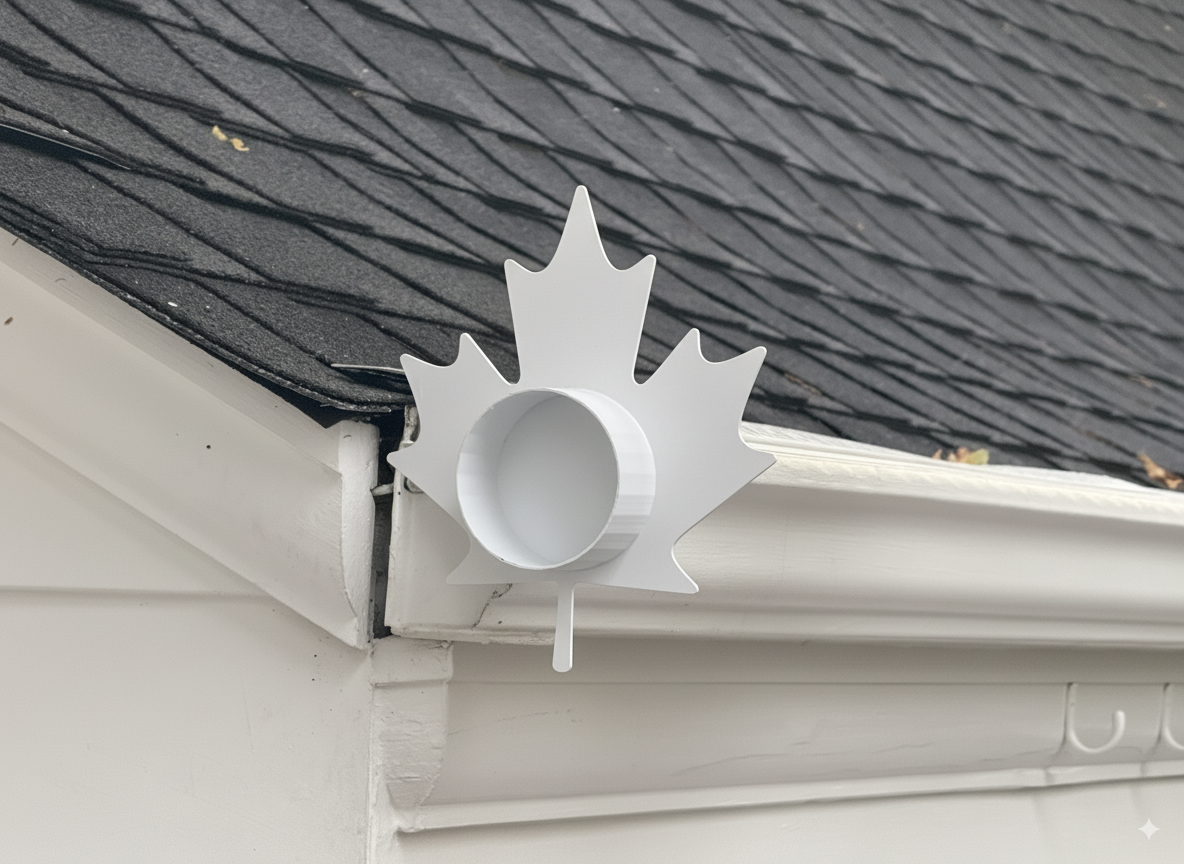
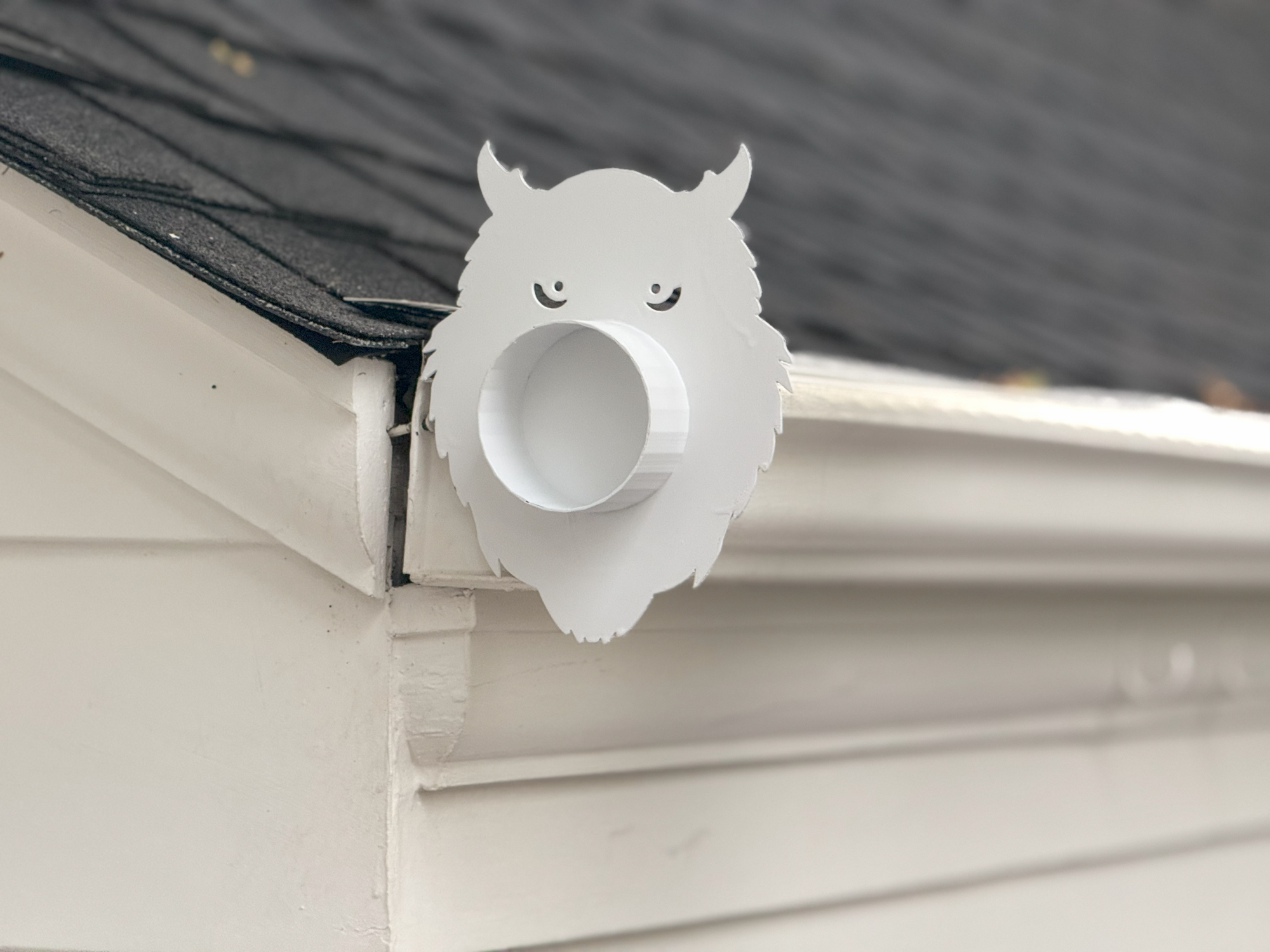
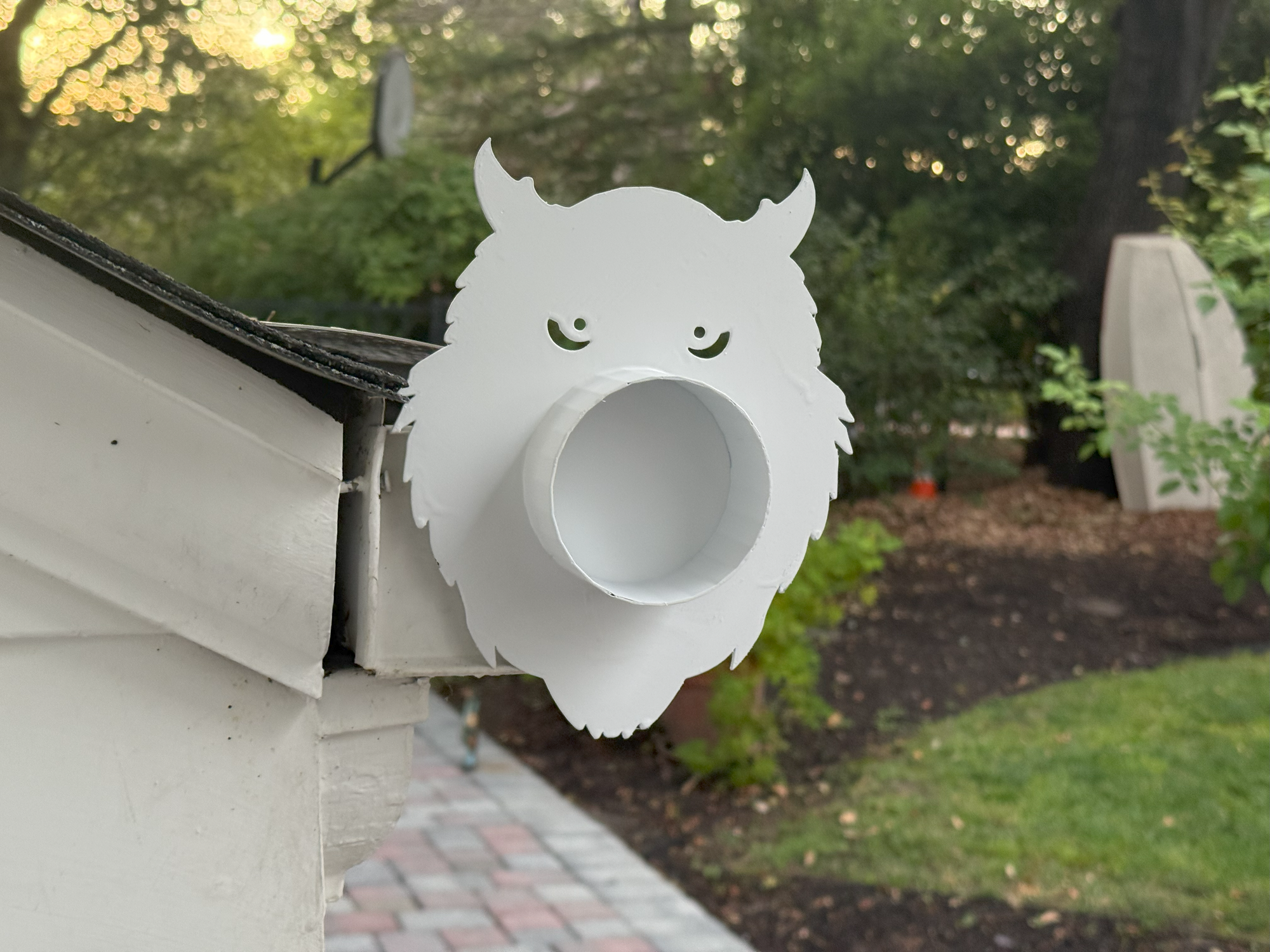
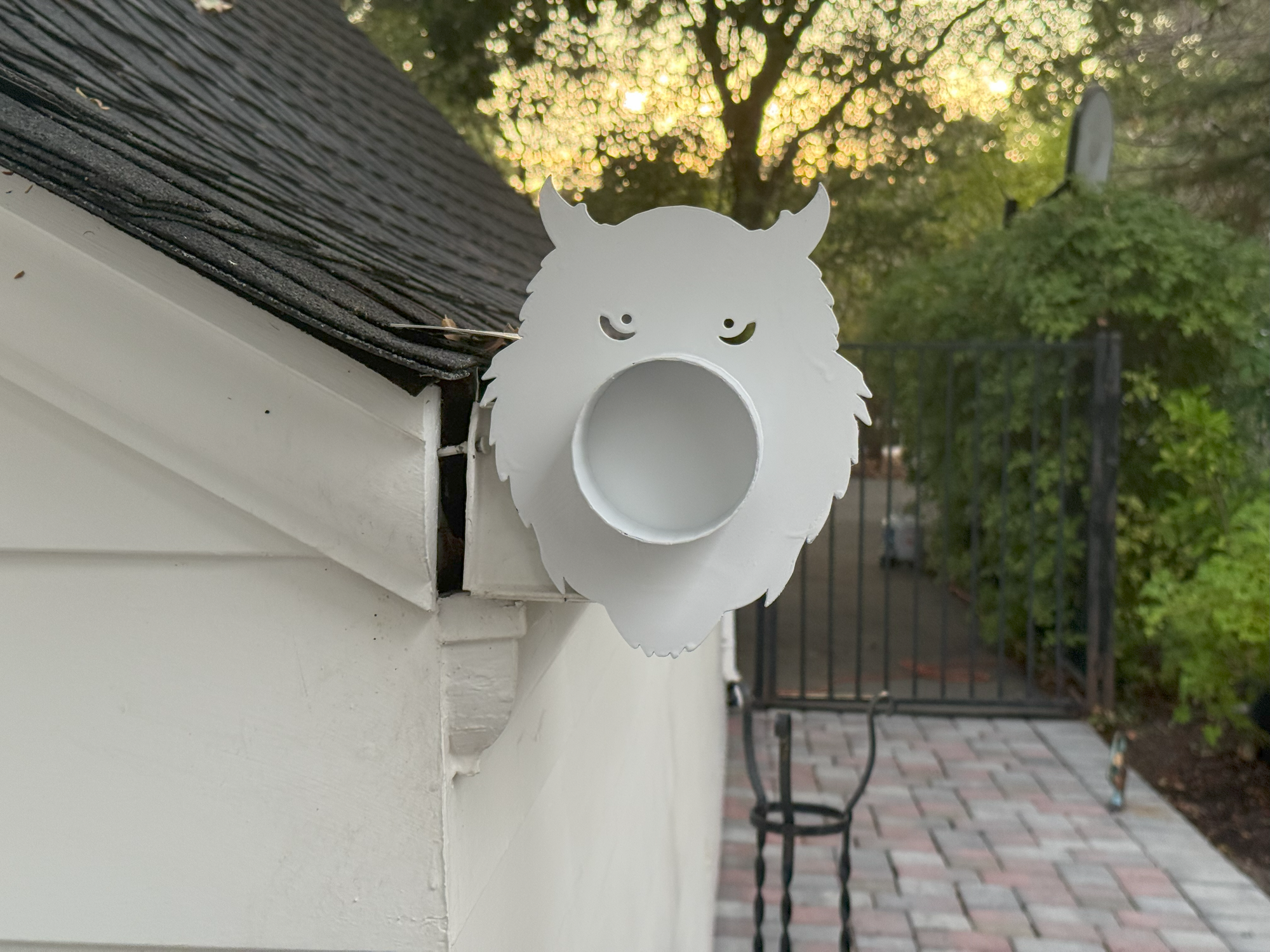
At ElevateMeta, we design exterior accents that make use of these overlooked spaces—adding personality without permanent changes or complicated installs. They’re designed for real homeowners who want thoughtful design without turning it into a project.
Sometimes the biggest difference comes from the smallest details.





0 comments