
How Gutters Affect Exterior Design (And Why They’re Usually Ignored)
When homeowners think about exterior design, they usually focus on siding, trim, windows, or roofing. Gutters rarely make the list.
And yet, gutters sit right at the intersection of function and appearance — running along the roofline, framing the edge of the home, and subtly influencing how the entire exterior is perceived.
So why are they almost always ignored?
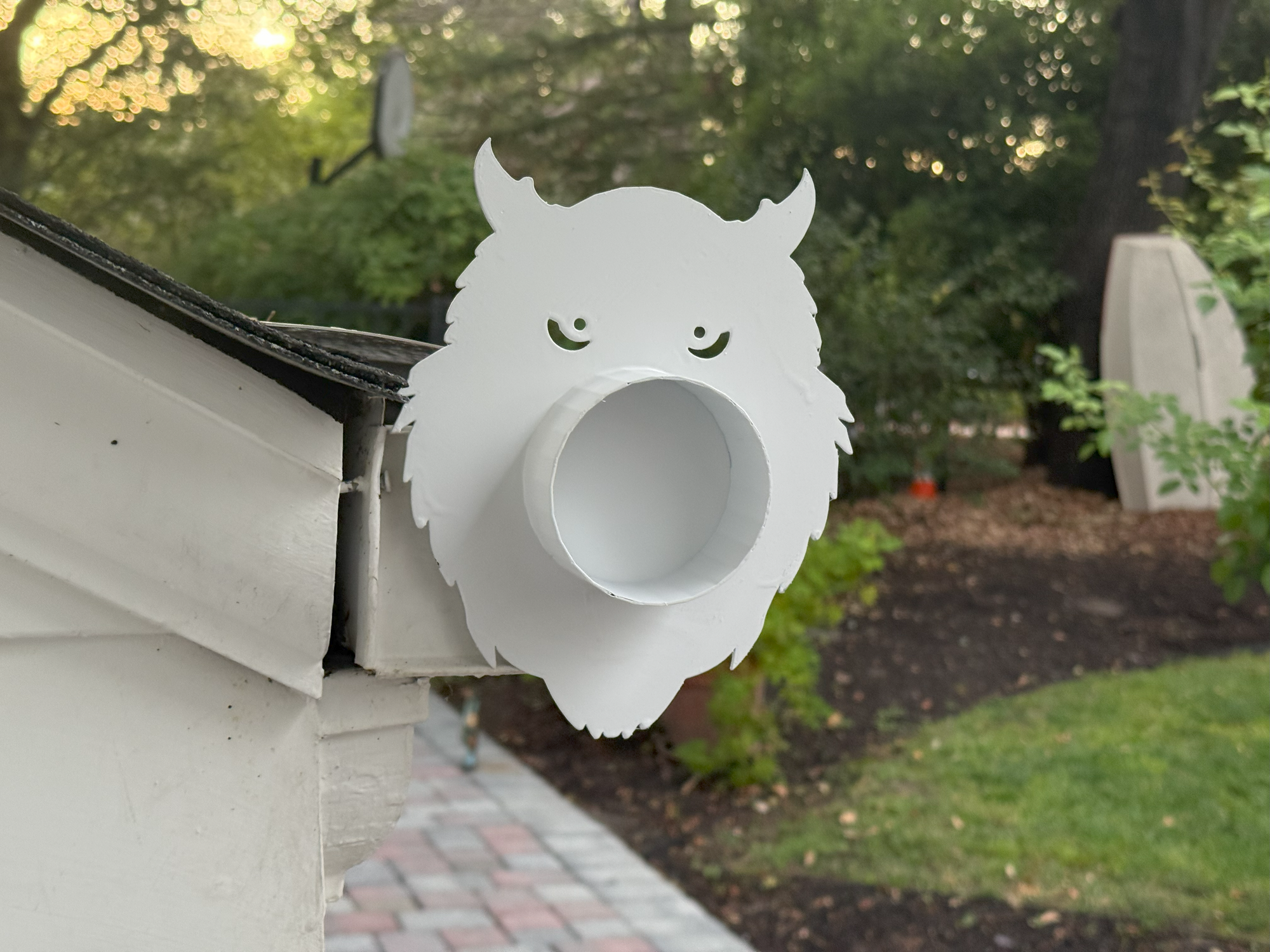
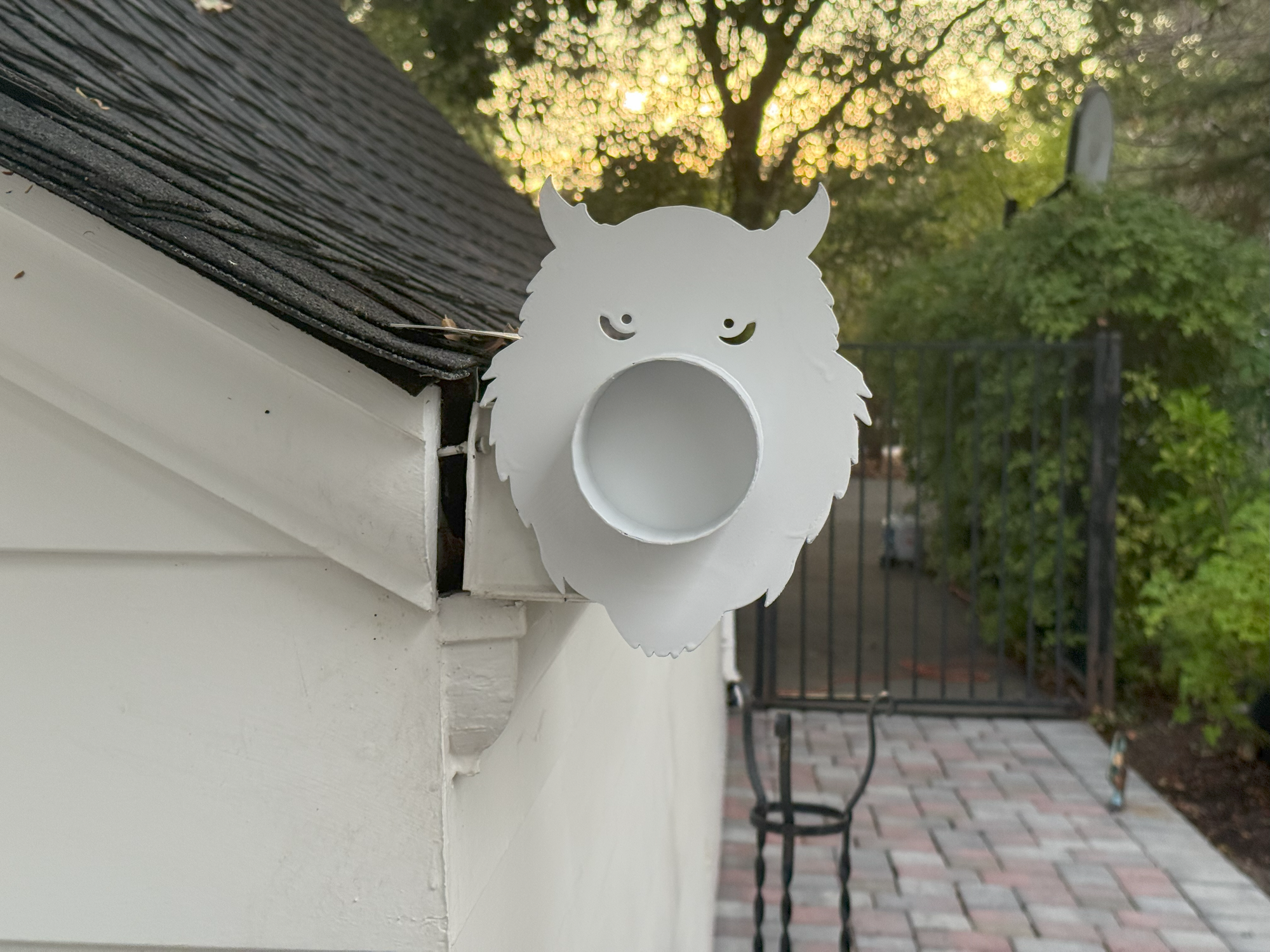
[Insert image: Residential roofline with visible gutters]
Gutters Are Functional — But Highly Visible
Gutters are designed to manage water, not aesthetics. Because of that, they’re often treated as a purely utilitarian element: installed once, painted to match (or not), and forgotten.
But from a design perspective, gutters:
- Trace the entire roofline
- Create a strong horizontal visual line
- Sit at eye level on many homes
- Are one of the few exterior elements that span the whole structure
Ignoring them doesn’t make them disappear — it just leaves a large, visible surface untreated from a design standpoint.
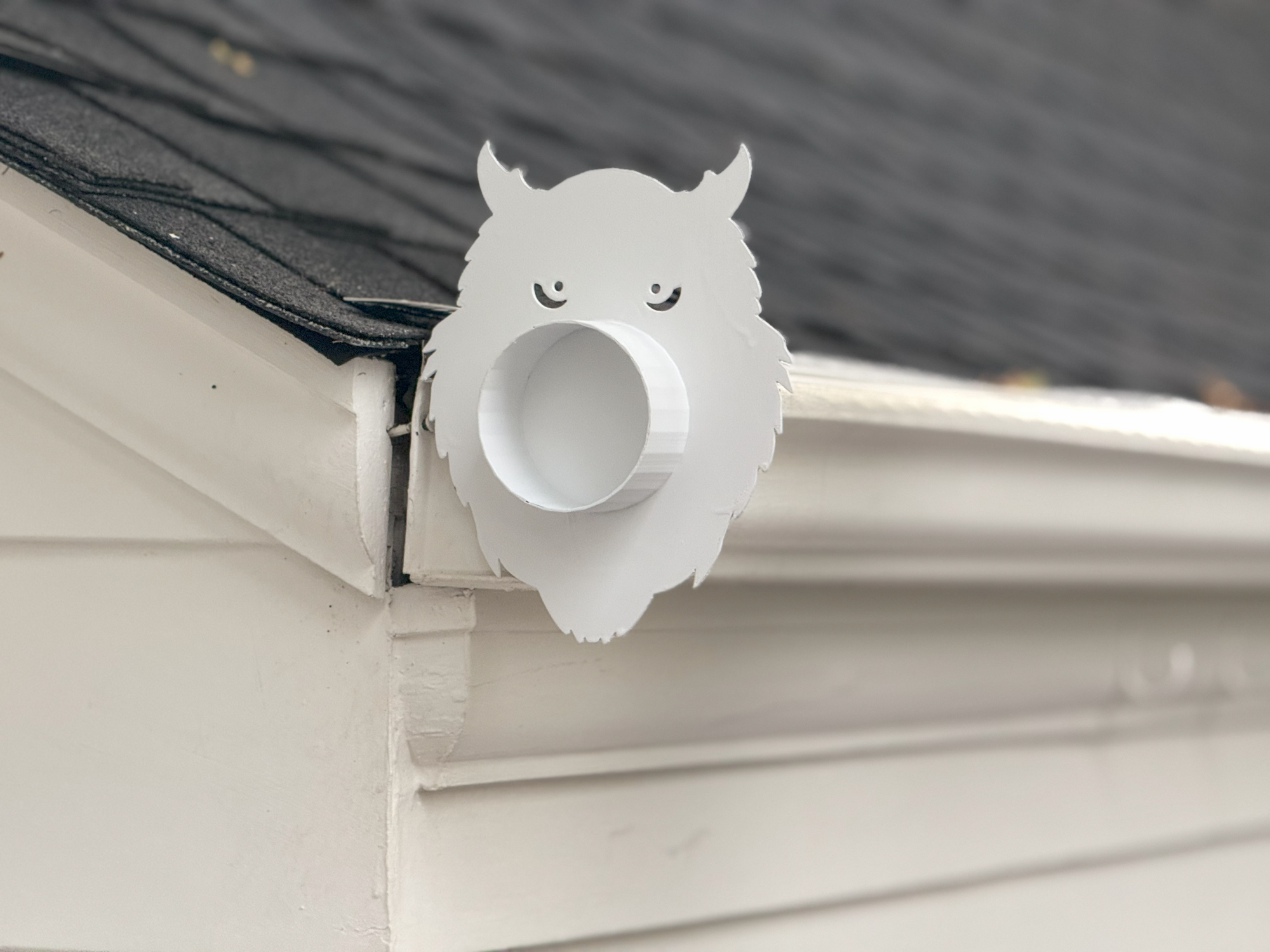
[Insert image: Close-up of gutter along roof edge]
Why Gutters Rarely Feel “Designed”
There are a few reasons gutters are almost never part of exterior design conversations:
1. They’re Installed Late
Gutters are often added after major exterior decisions are already finalized. By the time they go up, the design momentum has passed.
2. They’re Hard to Change
Traditional gutter modifications involve drilling, fastening, or replacing sections — all things homeowners understandably avoid.
3. They’re Seen as Purely Functional
Because gutters have a job to do, they’re rarely considered a canvas for design — even though they’re one of the most consistent exterior elements on a home.

The Design Opportunity Most Homes Miss
From an architectural standpoint, gutters represent an underutilized opportunity.
They:
- Define the edge of the roof
- Create rhythm along the facade
- Offer repeated points for subtle detailing
- Can support design elements without altering the structure
The issue isn’t that gutters can’t be part of exterior design — it’s that most solutions treat exterior upgrades as permanent, invasive, or overly decorative.
Function vs. Decoration vs. Design
There’s an important distinction between adding decoration and introducing design.
- Decoration tends to be seasonal, temporary, and visually loud
- Design feels intentional, integrated, and lasting
Most exterior add-ons fall into the first category. They sit on the home rather than feeling like part of it.
Thoughtful exterior details, on the other hand:
- Respect the home’s architecture
- Don’t overpower the structure
- Can be subtle enough to feel permanent
- Allow for variation without damage

Rethinking Gutters as Part of the Architecture
When gutters are treated as part of the architectural system — rather than an afterthought — they become a natural place for small, intentional details.
Not large or ornate features, but:
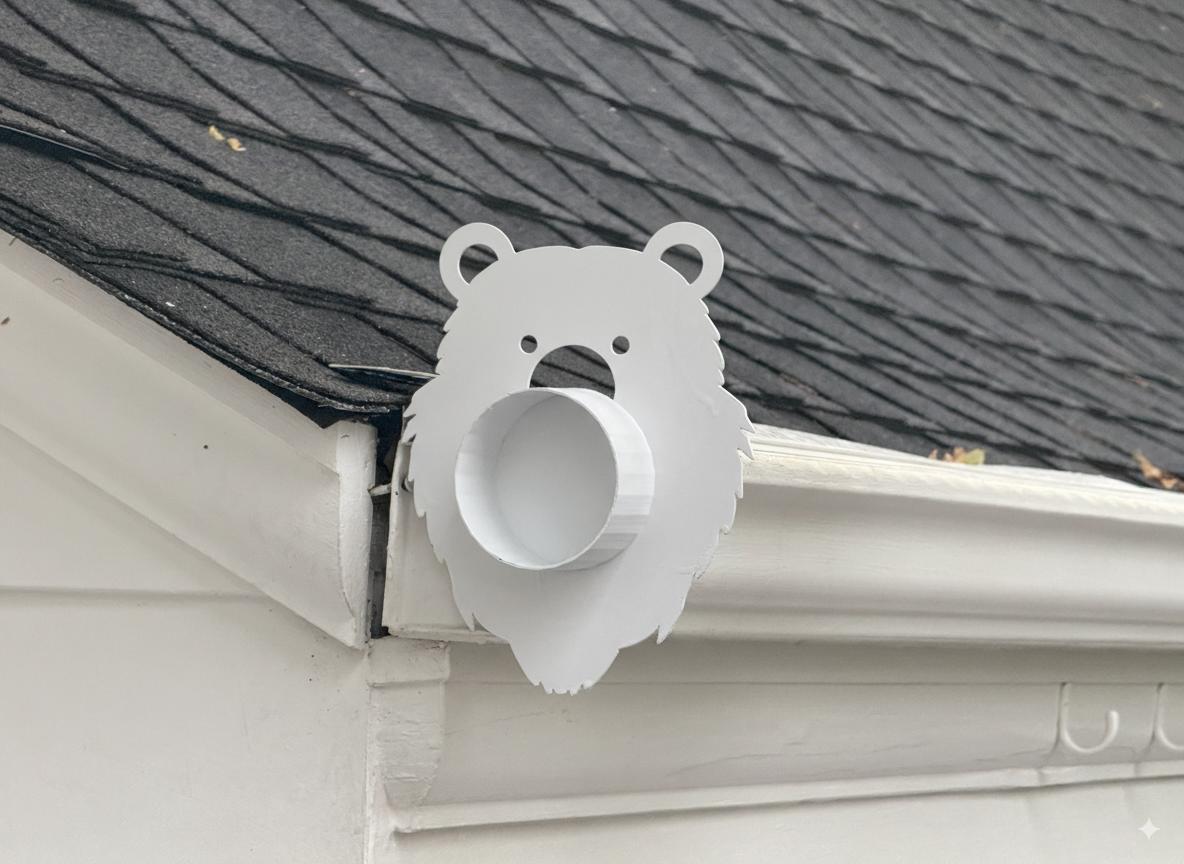
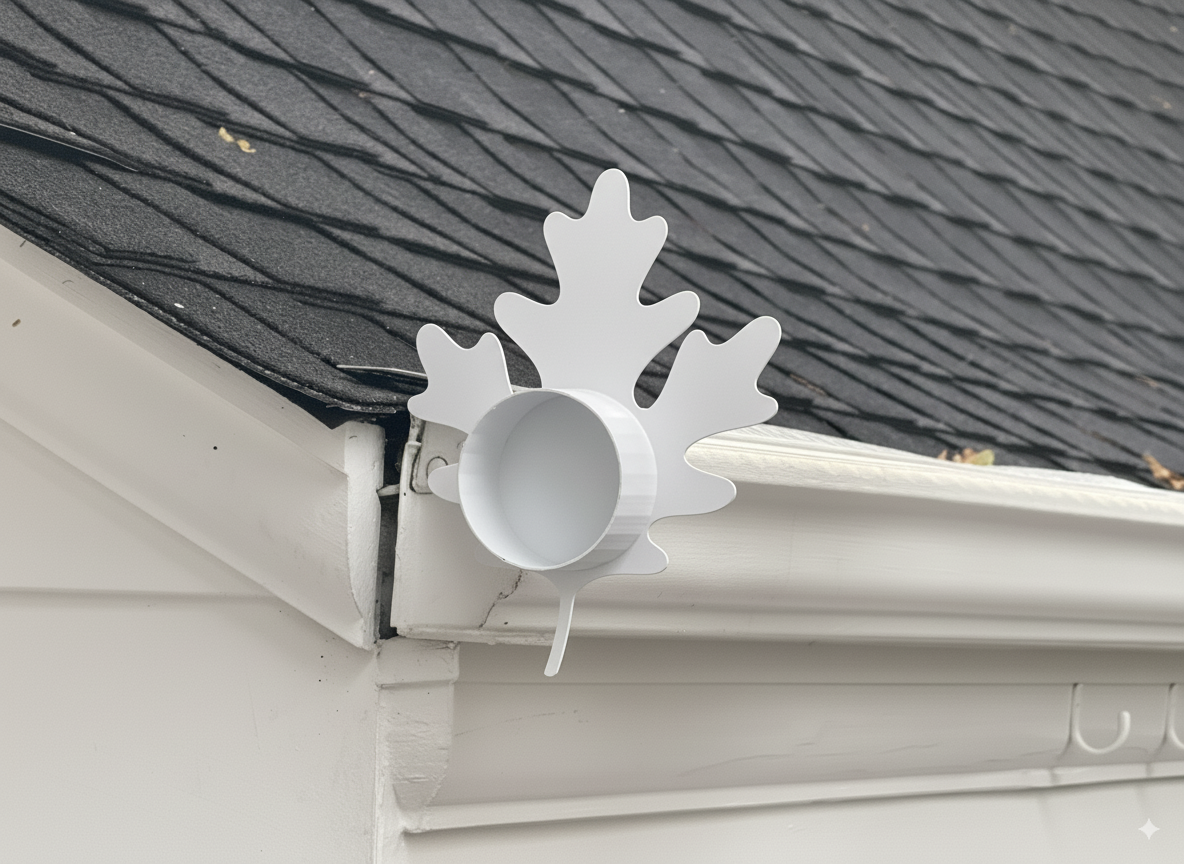
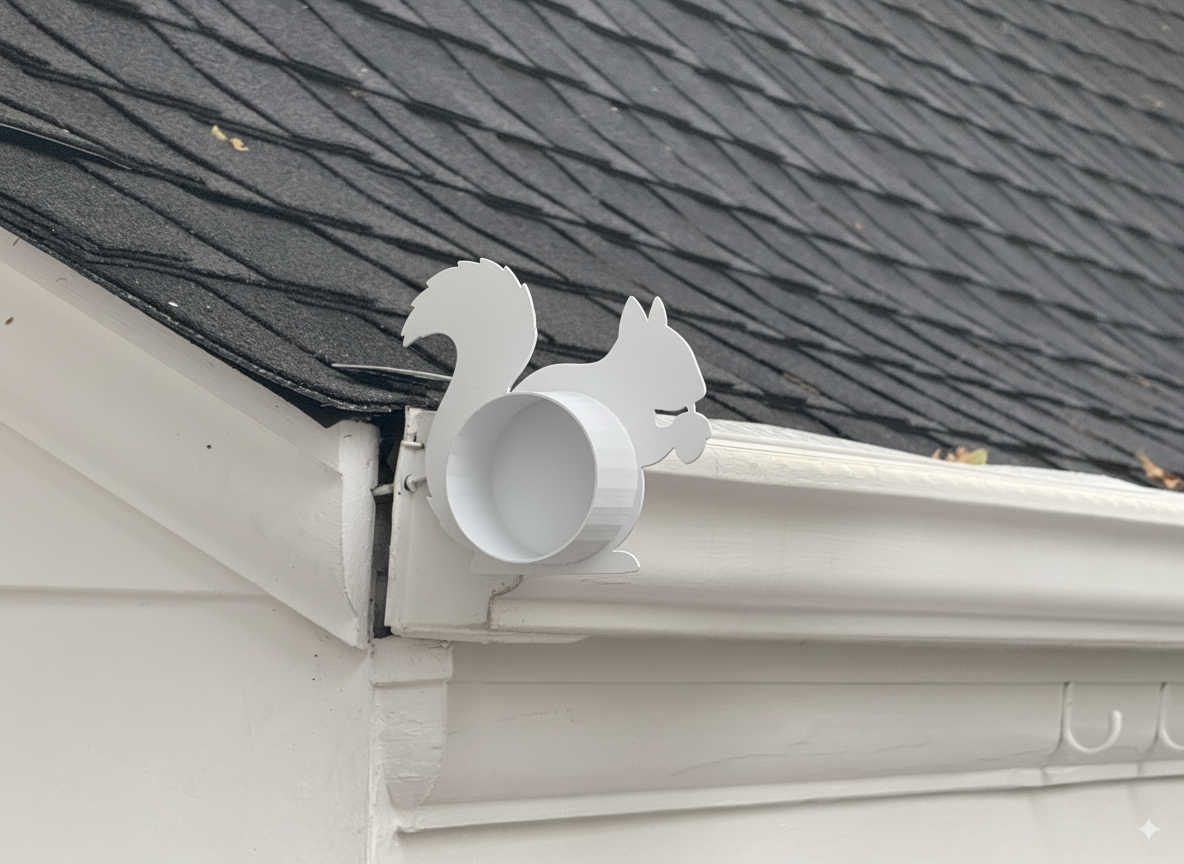
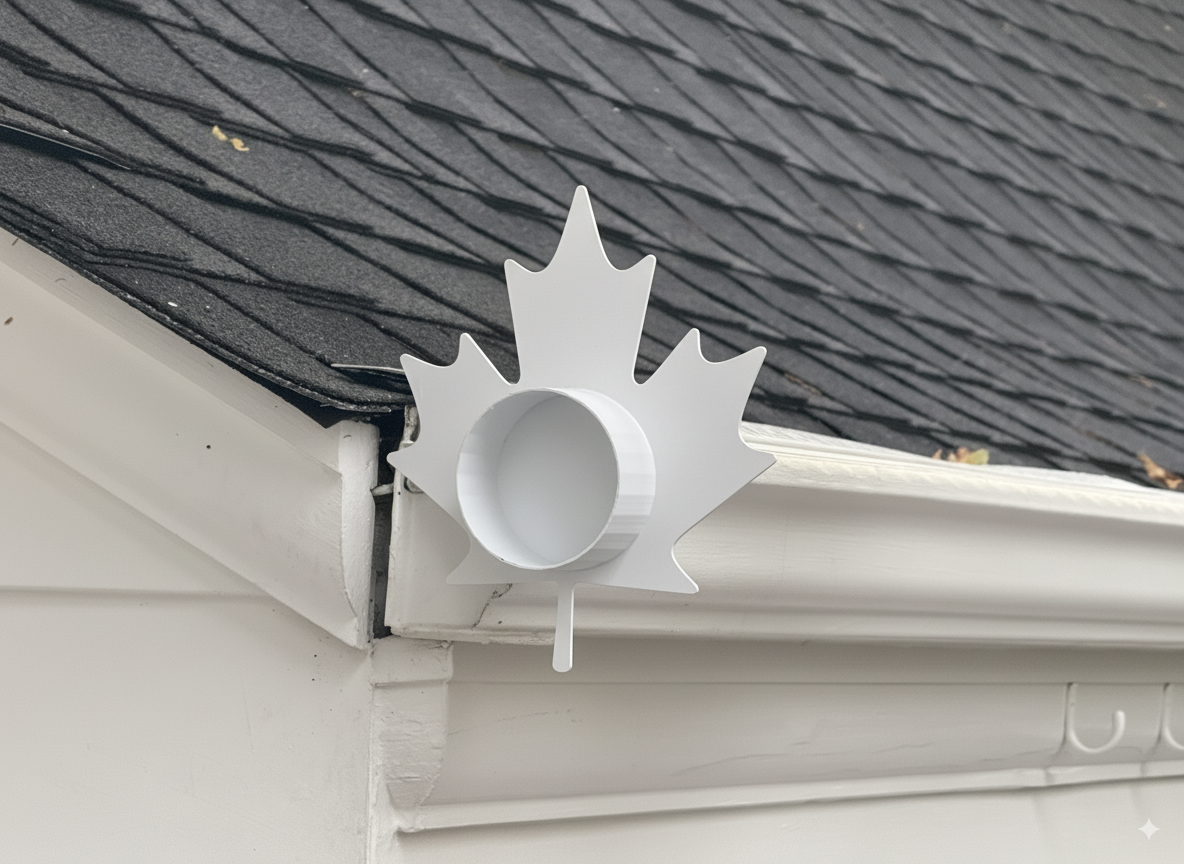
- Repeating accents
- Nature-inspired forms
- Regionally relevant motifs
- Details that echo the surrounding environment
These kinds of details don’t shout. They quietly reinforce the character of the home.
Small Changes, Big Visual Impact
One of the most interesting things about exterior design is how small changes can have outsized effects.
Because gutters run continuously along the home, even subtle additions can:
- Break up long, flat rooflines
- Add depth and texture
- Create visual rhythm
- Make a home feel more considered and complete
And when those changes don’t require drilling, cutting, or permanent alteration, homeowners are far more willing to explore them.
A More Flexible Way Forward
Exterior design doesn’t have to be static.
Homes evolve. Tastes change. Seasons come and go. Exterior details should be able to adapt without requiring demolition or commitment to a single look forever.
By thinking of elements like gutters as part of a modular system — rather than a fixed utility — homeowners gain flexibility without sacrificing cohesion.

Final Thought
Gutters may never be the star of exterior design, but they don’t have to be invisible.
When approached thoughtfully, they can support subtle architectural details that elevate a home’s appearance — quietly, intentionally, and without compromise.
Interested in subtle exterior accents designed to integrate seamlessly with your home?
Explore modular architectural details that install once and evolve over time.
When homeowners think about exterior design, they usually focus on siding, trim, windows, or roofing. Gutters rarely make the list.
And yet, gutters sit right at the intersection of function and appearance — running along the roofline, framing the edge of the home, and subtly influencing how the entire exterior is perceived.
So why are they almost always ignored?
[Insert image: Residential roofline with visible gutters]
Gutters Are Functional — But Highly Visible
Gutters are designed to manage water, not aesthetics. Because of that, they’re often treated as a purely utilitarian element: installed once, painted to match (or not), and forgotten.
But from a design perspective, gutters:
- Trace the entire roofline
- Create a strong horizontal visual line
- Sit at eye level on many homes
- Are one of the few exterior elements that span the whole structure
Ignoring them doesn’t make them disappear — it just leaves a large, visible surface untreated from a design standpoint.
[Insert image: Close-up of gutter along roof edge]
Why Gutters Rarely Feel “Designed”
There are a few reasons gutters are almost never part of exterior design conversations:
1. They’re Installed Late
Gutters are often added after major exterior decisions are already finalized. By the time they go up, the design momentum has passed.
2. They’re Hard to Change
Traditional gutter modifications involve drilling, fastening, or replacing sections — all things homeowners understandably avoid.
3. They’re Seen as Purely Functional
Because gutters have a job to do, they’re rarely considered a canvas for design — even though they’re one of the most consistent exterior elements on a home.
The Design Opportunity Most Homes Miss
From an architectural standpoint, gutters represent an underutilized opportunity.
They:
- Define the edge of the roof
- Create rhythm along the facade
- Offer repeated points for subtle detailing
- Can support design elements without altering the structure
The issue isn’t that gutters can’t be part of exterior design — it’s that most solutions treat exterior upgrades as permanent, invasive, or overly decorative.
Function vs. Decoration vs. Design
There’s an important distinction between adding decoration and introducing design.
- Decoration tends to be seasonal, temporary, and visually loud
- Design feels intentional, integrated, and lasting
Most exterior add-ons fall into the first category. They sit on the home rather than feeling like part of it.
Thoughtful exterior details, on the other hand:
- Respect the home’s architecture
- Don’t overpower the structure
- Can be subtle enough to feel permanent
- Allow for variation without damage
Rethinking Gutters as Part of the Architecture
When gutters are treated as part of the architectural system — rather than an afterthought — they become a natural place for small, intentional details.
Not large or ornate features, but:
- Repeating accents
- Nature-inspired forms
- Regionally relevant motifs
- Details that echo the surrounding environment
These kinds of details don’t shout. They quietly reinforce the character of the home.
Small Changes, Big Visual Impact
One of the most interesting things about exterior design is how small changes can have outsized effects.
Because gutters run continuously along the home, even subtle additions can:
- Break up long, flat rooflines
- Add depth and texture
- Create visual rhythm
- Make a home feel more considered and complete
And when those changes don’t require drilling, cutting, or permanent alteration, homeowners are far more willing to explore them.
A More Flexible Way Forward
Exterior design doesn’t have to be static.
Homes evolve. Tastes change. Seasons come and go. Exterior details should be able to adapt without requiring demolition or commitment to a single look forever.
By thinking of elements like gutters as part of a modular system — rather than a fixed utility — homeowners gain flexibility without sacrificing cohesion.
Final Thought
Gutters may never be the star of exterior design, but they don’t have to be invisible.
When approached thoughtfully, they can support subtle architectural details that elevate a home’s appearance — quietly, intentionally, and without compromise.
Interested in subtle exterior accents designed to integrate seamlessly with your home?
Explore modular architectural details that install once and evolve over time.





0 comments